What Is a Darkweb Address
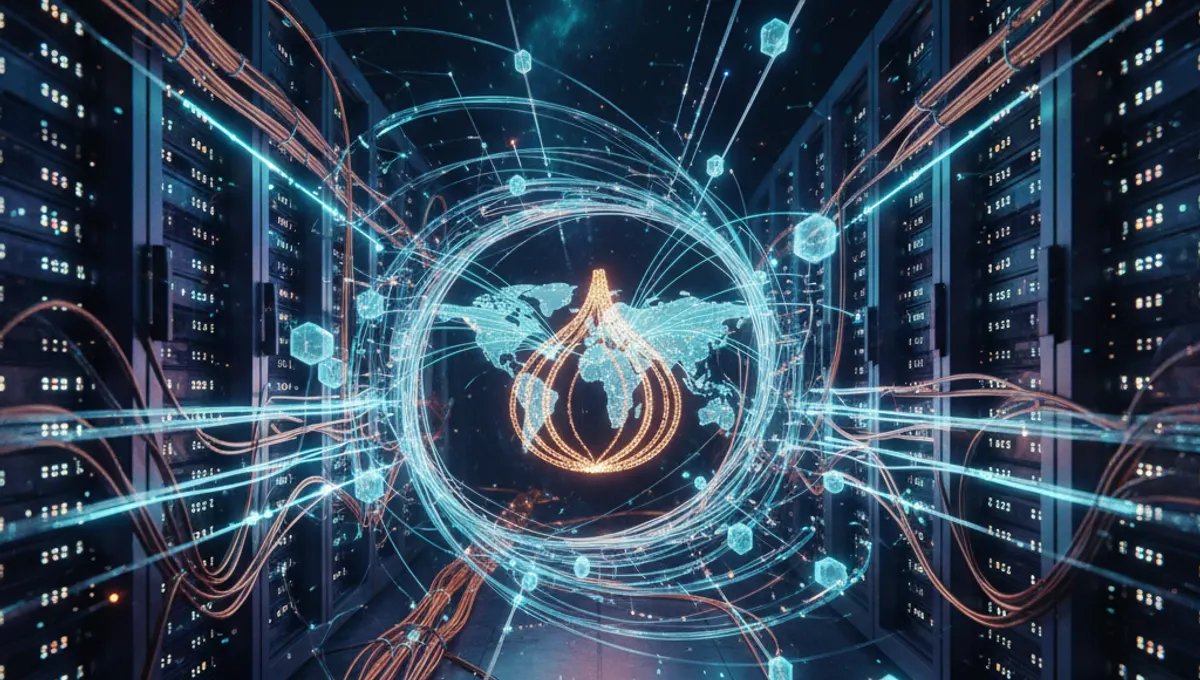
A darkweb address is a domain name that routes traffic through the Tor network, providing anonymity to both the site operator and visitors. The .onion extension indicates the site is only accessible via Tor Browser, not through standard browsers. These addresses are alphanumeric strings, often appearing as random characters followed by .onion. The address itself is derived from the site's encryption keys, making it impossible to predict or forge. Darkweb addresses serve legitimate purposes—hosting privacy-focused communication platforms, news outlets, and security research resources. However, they also host illegal marketplaces, which is why many people associate the term with criminal activity. The technology itself is neutral; its use depends entirely on the operator and visitor intent.
How Darkweb Addresses Work
Darkweb addresses function through Tor's hidden service protocol. When you visit a .onion site, your connection is routed through multiple Tor relays, encrypting your traffic at each layer. The site itself is also hidden behind Tor relays, meaning its actual IP address remains concealed. This mutual anonymity is what distinguishes darkweb addresses from regular websites accessed through Tor. The address itself contains encoded information about the site's encryption keys. When you enter a .onion address into Tor Browser, the browser uses this information to establish a secure connection to the hidden service. The entire process is automated—you don't need to understand the cryptography to use it. However, understanding the basics helps you recognize legitimate addresses and avoid phishing attempts or malicious links.
Finding Legitimate Darkweb Addresses
Finding reliable darkweb addresses requires caution and verification. Several approaches exist: First, check this site's Verified Market page for current, tested addresses of known platforms. Second, look for addresses published by established organizations—news outlets, privacy advocates, and security researchers often maintain lists of legitimate resources. Third, use word-of-mouth from trusted communities, though verify any address before visiting. Never click on a .onion link from an untrusted source or email. Phishing is common on the darkweb; attackers create fake versions of popular sites using similar-looking addresses. Always bookmark addresses you trust and access them directly rather than following links. If you're looking for best darkweb websites, prioritize those with long operational histories, active moderation, and transparent communication about security practices. Avoid addresses that promise unrealistic services or pressure you to act quickly.
Security Setup Before Accessing Darkweb Addresses
Before visiting any darkweb address, establish proper security infrastructure. Step 1: Use a dedicated device or virtual machine if possible, isolating darkweb activity from your main system. Step 2: Install Tor Browser from the official Tor Project website only—never use third-party versions. Step 3: Consider running Tor Browser on a privacy-focused operating system like Tails or Whonix, which route all traffic through Tor by default. Step 4: Use a VPN before connecting to Tor (VPN → Tor configuration) to hide the fact that you're using Tor from your internet service provider. Step 5: Disable JavaScript in Tor Browser settings to prevent certain exploits. Step 6: Keep your operating system and all software updated. Step 7: Use a password manager like Bitwarden to generate unique credentials for each site. These steps significantly reduce the risk of identity exposure or malware infection when accessing darkweb addresses.
Common Mistakes When Accessing Darkweb Sites
Beginners often make preventable errors that compromise anonymity. Mistake 1: Maximizing the browser window—this can reveal your screen resolution, which may be unique enough to identify you. Keep the window at default size. Mistake 2: Enabling plugins or extensions in Tor Browser—these can bypass Tor and leak your real IP. Mistake 3: Using the same username across multiple darkweb sites—this creates a traceable identity. Generate unique usernames for each platform. Mistake 4: Downloading files without caution—malware is common on the darkweb. Use antivirus software and inspect files before opening them. Mistake 5: Assuming Tor alone provides complete anonymity—it doesn't. Your behavior, writing style, and the information you share can still identify you. Mistake 6: Visiting darkweb addresses while logged into regular social media or email accounts. Keep these activities completely separate. Mistake 7: Trusting every link or address you encounter. Many are honeypots or phishing attempts designed to steal credentials or compromise your device.
Risks and Legal Considerations
Accessing darkweb addresses carries real risks. Technical risks include malware, phishing, and exploitation of browser vulnerabilities. Social risks involve scams, theft, and exposure to illegal content. Legal risks depend on your jurisdiction and activity. Accessing the darkweb itself is legal in most countries, but accessing specific content or engaging in illegal transactions is not. Law enforcement agencies monitor darkweb activity and have successfully prosecuted users for crimes ranging from drug trafficking to child exploitation. Your anonymity is not guaranteed—mistakes, metadata leaks, or advanced forensics can expose you. Additionally, many darkweb marketplaces are operated by scammers or undercover agents. Even if you're seeking legitimate resources, the darkweb environment is hostile. Never assume a site is safe because it's been operating for months or years. Always use a VPN + Tor setup, keep your system updated, and understand that your activity may have legal consequences depending on what you access and download.
Legitimate Uses for Darkweb Addresses
Despite its reputation, the darkweb hosts valuable resources. Journalists use darkweb addresses to receive anonymous tips from sources in countries with press censorship. Activists in authoritarian regimes use them to organize and communicate without government surveillance. Researchers study security vulnerabilities and cybercriminal behavior. Privacy advocates host forums and documentation about digital security. News organizations like established media outlets maintain darkweb mirrors to ensure access in countries where their regular sites are blocked. Whistleblowers use secure communication platforms accessible only via .onion addresses. Individuals in repressive situations use darkweb addresses to access uncensored information. These legitimate uses demonstrate why the technology exists and why understanding darkweb addresses matters beyond stereotypes. If you're interested in joining darkweb communities for lawful purposes, focus on platforms with established reputations, transparent moderation, and clear community guidelines.
Frequently asked questions
Are darkweb addresses illegal to access?
Accessing darkweb addresses is legal in most countries. However, accessing specific illegal content or engaging in criminal transactions is not. The technology itself is neutral; legality depends on what you access and your jurisdiction. Always verify local laws before visiting any site.
How do I know if a darkweb address is real or a phishing attempt?
Verify addresses through trusted sources like this site's Verified Market page or official organization announcements. Bookmark legitimate addresses and access them directly rather than following links. Be suspicious of addresses that closely resemble popular sites but with slight variations. Check for HTTPS indicators and security certificates where available.
Do I need a VPN if I'm using Tor Browser?
Using a VPN before Tor (VPN → Tor) adds an extra layer of protection by hiding the fact that you're using Tor from your ISP. However, it's not mandatory. The choice depends on your threat model and local regulations. Never use Tor → VPN, as this configuration can leak your real IP.
Can law enforcement track darkweb addresses?
Law enforcement has successfully tracked darkweb activity through various methods including metadata analysis, browser vulnerabilities, and user mistakes. Anonymity is not guaranteed. Mistakes like using the same username across sites, maximizing your browser window, or downloading malware can compromise your identity.
What's the difference between the darkweb and the deep web?
The deep web includes any part of the internet not indexed by search engines, such as email accounts and medical records. The darkweb is a small subset of the deep web that has been intentionally hidden and requires specific software like Tor Browser to access. Darkweb addresses are only one component of the broader deep web.